
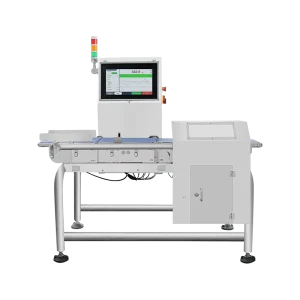
Mass uniformity matters in fast packaging. It prevents product giveaway. It also meets regulatory standards. Checkweighers measure each container’s weight. They work on moving conveyors. They divert non-compliant packages quickly. This happens before final distribution. Manufacturers work with experienced machinery developers. Easyweigh is one example. These manufacturers get real-time feedback. This feedback improves fill accuracy. It helps in high-volume production. Weight inspection reduces material waste. It protects profits. It makes sure every outbound unit meets declared net specifications.
Load Cell Calibration Mechanics in Rapid Dynamics
Dynamic weight verification relies on specialized strain gauge or electromagnetic force restoration load cells capable of settling within fractions of a second. As items cross the weighing platform, mechanical vibrations from nearby factory floor equipment must be filtered out digitally to preserve signal clarity.
Advanced signal processing algorithms isolate true mass readings from noise caused by belt friction and draft currents. Achieving micro-gram precision at high line speeds requires perfectly balanced transfer belts and precise photo-eye timing sensors.
Environmental factors like thermal expansion can cause zero-point drift during extended manufacturing shifts. Automatic zero-tracking routines recalibrate the scale platform during natural gaps between packages, preserving measurement fidelity.
Overfilling Prevention and Material Savings
Slight overfilling across millions of retail packages silently drains raw material inventories, inflating overall production expenses over time. Continuous weight monitoring provides immediate feedback to upstream filling machines, enabling micro-adjustments to augers or liquid nozzles.
Tracking statistical weight distribution curves helps engineers narrow target tolerance bands safely. Operating closer to minimum legal weight limits without risking underfill violations yields substantial financial savings across annual production cycles.
Real-time feedback loops correct volumetric drift caused by temperature or viscosity changes in liquid food products. Instant adjustments reduce raw ingredient waste before entire batches fall out of compliance.
Integrated Rejection Mechanism Dynamics
Flagging non-compliant containers requires swift, targeted mechanical intervention to prevent line jams or uninspected passes. Pneumatic pushers, air jets, and drop-flap conveyors serve as reliable sorting mechanisms depending on container rigidity and overall mass.
Delicate pouches or flexible trays require gentle sweep arms or air blasts to avoid tearing outer barrier films. Heavy rigid boxes utilize sturdy pneumatic rams to divert out-of-spec inventory into locked lockboxes.
Rejection confirmation sensors verify that flagged items physically exit the primary stream rather than continuing downstream. Secondary verification prevents uninspected packages from entering secondary cartoning operations.
Sanitary Structural Design Standards in Wet Facilities
Food manufacturing environments demand frequent sanitation routines using high-pressure washdown equipment and aggressive cleansing agents. Stainless steel frames with open-tubular geometry prevent water pooling and bacterial harborage in hidden crevices.
IP66 and IP69K ingress protection ratings shield delicate load cell electronics and wiring harnesses from moisture penetration. Durable sealing materials withstand daily thermal shock during hot chemical washdown routines.
Quick-release belt mechanisms enable sanitation personnel to remove conveyor belts without tools, simplifying daily deep-cleaning routines. Streamlined disassembly reduces maintenance downtime while upholding strict hygiene compliance.
Software Integration and Production Line Traceability
Digital data management architecture aggregates individual package weight metrics into centralized plant monitoring platforms. Networked checkweighers generate detailed shift reports that track statistical metrics, giveaway costs, and total throughput rates.
Quality managers analyze historical trend logs to assess upstream equipment wear, scheduling preventative maintenance before mechanical failures occur. Comprehensive digital records provide verifiable proof of compliance during external regulatory audits. Trend analysis also helps correlate product quality variations with specific production shifts or raw material batches, guiding more precise root-cause investigations.
High-speed automatic weighing solutions from Easyweigh demonstrate how inline weight verification seamlessly interfaces with broader factory networks. Interconnected data flows enhance overall operational efficiency while maintaining strict quality control. This connectivity extends beyond the weighing station, enabling integration with ERP systems for inventory reconciliation and with packing lines for dynamic speed adjustments based on real-time weight feedback.
Compliance Requirements and International Standards
Global trade regulations dictate strict adherence to net contents rules, punishing underfill errors with severe financial penalties or product seizures. Statistical sampling rules require packaging lines to maintain strict mean weight values across complete production lots.
Certified test weights verify scale accuracy at pre-programmed intervals throughout operating shifts. Automated prompts force line operators to run test protocols, locking conveyor movement if calibration checks fail. Integrating these prompts with shift handover logs ensures that calibration tasks are not overlooked during busy production periods.
Tamper-proof audit trails record every parameter change, software update, and calibration event digitally. Maintaining unalterable operational histories satisfies strict international food safety governance requirements. Such digital records also streamline the preparation for third-party audits, as inspectors can quickly verify compliance without manual document retrieval.、
Customization Options and B2B Service Commitments
A standard checkweigher may not suit every production line. Package dimensions, belt speed, and rejection needs often differ. Easyweigh works with B2B customers through OEM and ODM projects. Conveyor width, load cell range, and reject mechanism can be modified during development. Software interfaces may be localized or linked to existing plant controls. Sample testing with actual products confirms accuracy before installation.
After commissioning, operator training, spare parts, and technical support continue. As product formats change, the system can be updated without full replacement. This collaborative approach keeps weight inspection aligned with long-term production needs.
Strategic Value of Dynamic Weight Assurance
Deploying modern inline scales secures profit margins by minimizing raw material giveaway while ensuring strict regulatory compliance across all distribution channels. Continuous physical verification protects brand equity by preventing underfilled packages from reaching retail shelves. Industry solutions supported by Easyweigh technology provide processing facilities with reliable throughput, actionable operational insights, and consistent quality management. Integrating robust weight verification strategies remains essential for maximizing profitability and maintaining high standards in modern food processing.