
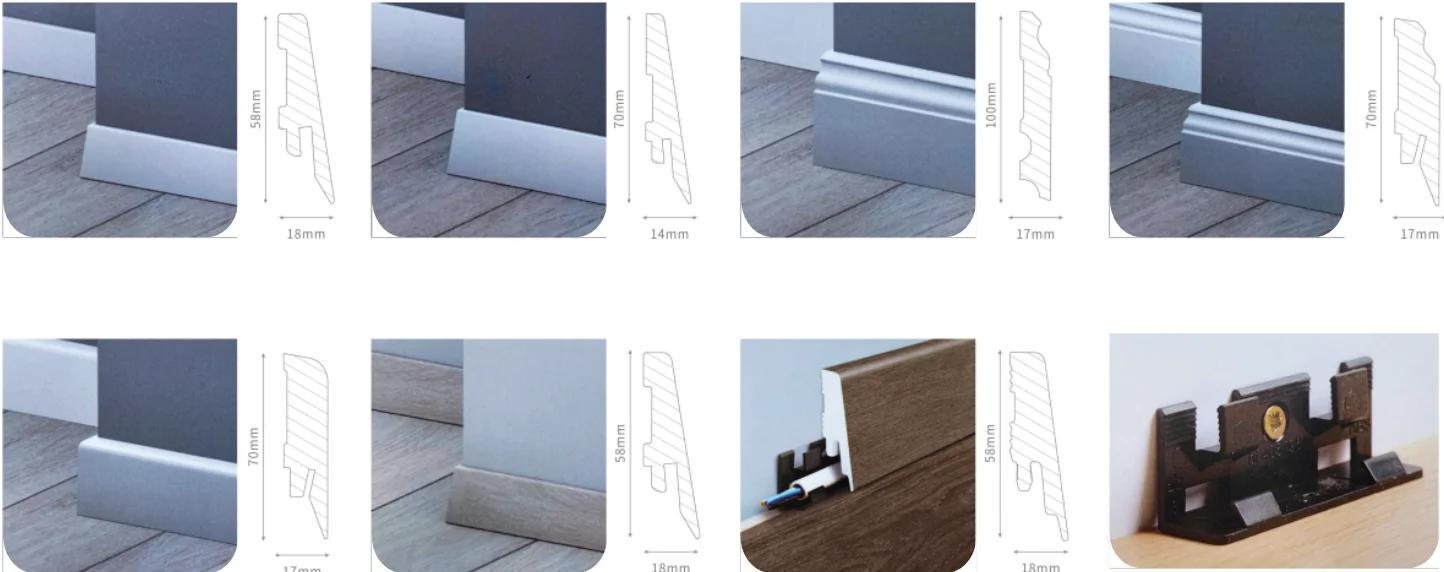
Temperature control plays an important role in PVC profile manufacturing. During extrusion, the barrel must maintain stable processing conditions to ensure consistent melting, material flow, and product quality.
A pvc profile production line combines four core units: extrusion, calibration, cooling, and cutting. Among these components, barrel cooling directly influences extrusion stability, energy consumption, and maintenance requirements. Choosing between air-cooled and oil-cooled barrel systems depends on production capacity, product requirements, and operating conditions.
Why Barrel Cooling Matters in PVC Profile Manufacturing
The extrusion barrel is responsible for heating and plasticizing PVC materials before they pass through the die. During this process, friction between the screw and material generates additional heat. While a certain level of heat is necessary for proper processing, excessive temperature changes may affect material stability and lead to quality problems.
An effective cooling system helps maintain the temperature balance of different barrel zones. Stable temperature control can improve material uniformity, reduce processing fluctuations, and support consistent profile dimensions.
For PVC profile manufacturers, temperature stability is especially important because many profiles are used in applications such as construction materials, window and door systems, decorative components, and industrial products. Variations in extrusion conditions may result in surface defects, uneven shapes, or inconsistent mechanical performance.
Advantages and Limitations of Air-Cooled Extrusion Barrels
Air-cooled barrels use fans or air circulation systems to remove excess heat from the extrusion barrel. This method is widely used because of its relatively simple structure and easy maintenance.
One advantage of air cooling is that it does not require additional heat-transfer oil systems. This reduces the number of components involved and can simplify equipment maintenance. For manufacturers with moderate production requirements, air-cooled systems can provide a practical solution with lower maintenance complexity.
Air cooling is also easier to manage because there is no need to monitor oil quality, oil circulation, or potential leakage issues. This can help reduce routine maintenance tasks in daily production operations.
However, the cooling performance of air-cooled systems can be affected by environmental conditions. Factors such as workshop temperature, airflow, and production speed may influence cooling efficiency. For high-output production or applications requiring very precise temperature control, manufacturers may need to carefully evaluate whether air cooling can meet their requirements.
Advantages and Limitations of Oil-Cooled Extrusion Barrels
Oil-cooled barrels use circulating thermal oil to regulate temperature during extrusion. Compared with air cooling, oil cooling generally provides more stable heat transfer because liquid circulation can remove heat more evenly.
For manufacturers operating continuous production lines or producing profiles with strict quality requirements, oil cooling can help maintain more consistent processing conditions. Stable barrel temperature reduces fluctuations during extrusion and supports better product uniformity.
Another benefit of oil cooling is improved temperature distribution across different barrel sections. This can be useful when processing materials that require precise thermal management or when production conditions involve higher output levels.
However, oil-cooled systems usually have a more complex structure. Additional components such as pumps, circulation systems, and temperature control devices require regular inspection and maintenance. Manufacturers should consider whether the benefits of improved temperature stability justify the additional system requirements.
Selecting the Right Cooling System for a PVC Profile Extrusion Machine
Choosing between air-cooled and oil-cooled barrels requires manufacturers to consider their specific production goals. There is no single cooling method suitable for every application.
Production scale is one of the key factors. Small and medium production operations may find air cooling sufficient for their output requirements, while large-scale factories with continuous operation may prefer oil cooling for stronger temperature management.
Product specifications also influence the decision. PVC profiles with strict requirements for surface quality, dimensional accuracy, and appearance may benefit from a more precise cooling system.
The overall equipment design should also be considered. A reliable pvc profile extrusion machine combines extrusion technology, temperature control, automation systems, and mechanical design to achieve stable production performance.
Energy efficiency and maintenance costs should be evaluated together. A cooling system that matches the production environment can help manufacturers control operating expenses while maintaining product quality.
Improving Long-Term Extrusion Performance Through Proper Equipment Selection
Barrel cooling is only one part of a complete PVC extrusion solution. Manufacturers should also evaluate equipment reliability, automation capability, customization options, and technical support when planning production investments.
Boyu has more than 20 years of experience in plastic extrusion equipment manufacturing and provides customized extrusion solutions for PVC profiles, SPC flooring, and other applications. The company focuses on equipment innovation and engineering support to help customers develop suitable production systems.
With equipment configuration and cooling method, manufacturers can improve production stability, reduce unnecessary downtime, and maintain consistent product quality. Choosing a suitable Boyu extrusion solution and production setup streamlines PVC profile manufacturing in competitive markets.