
Capacity management for electrical grids relies heavily on the quality of hardware utilized for housing energy cells. Many projects integrate large-scale units to stabilize power flow, and recognizing the function of these components assists operators in managing site requirements. The following overview details the core aspects of these storage solutions.
Components of Storage Hardware
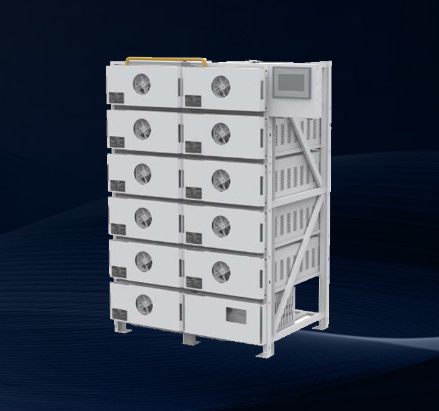
A battery cabinet serves as the protective shell for energy cells, managing thermal conditions and safety protocols. These enclosures facilitate the safe operation of systems that store electricity for later use. By housing modules securely, they prevent environmental
damage and ensure that internal electronics function correctly under various load conditions.
Designers focus on structural integrity to protect against temperature fluctuations. When engineers build a lithium ion battery storage cabinet, they include ventilation and monitoring systems that communicate with the central control unit. These features are essential for preventing overheating and ensuring that individual modules receive the correct charge during operation.
Operational Roles in BESS
Atess provides solutions that incorporate these cabinets into broader grid frameworks. Because they are Atess, these systems emphasize reliable data reporting, which allows operators to view charge status in real time. Proper usage of a battery cabinet reduces risks associated with chemical storage, providing a reliable environment for daily cycling.
Efficiency depends on how well the enclosure supports the cooling requirements of the cells. A high-quality lithium ion battery storage cabinet optimizes airflow, ensuring that energy density remains consistent throughout the discharge process. The technical team at Atess designs these systems to allow for easier integration with existing power conversion hardware. This systematic approach ensures that energy loss stays low while uptime increases for the end-user.
Effective management of energy requires attention to both the software and physical enclosures. Organizations assess their infrastructure needs to ensure that the hardware provides enough protection for their specific energy capacity goals. Choosing robust equipment contributes to the stable performance of power systems over their projected lifespan.