
Managing hypertrichosis across delicate facial regions requires balancing optical fluence against thin epidermal boundaries. Performing a targeted facial hair removal laser treatment allows practitioners to address fine or coarse hairs on upper lip, chin, and cheek areas through selective photothermal action. Engineering approaches from specialized developers like ENZOEYS highlight how integrated surface cooling and customizable spot geometries support clinical efficiency while safeguarding delicate facial contours.
Photothermal Selective Mechanisms in Facial Hair Reduction
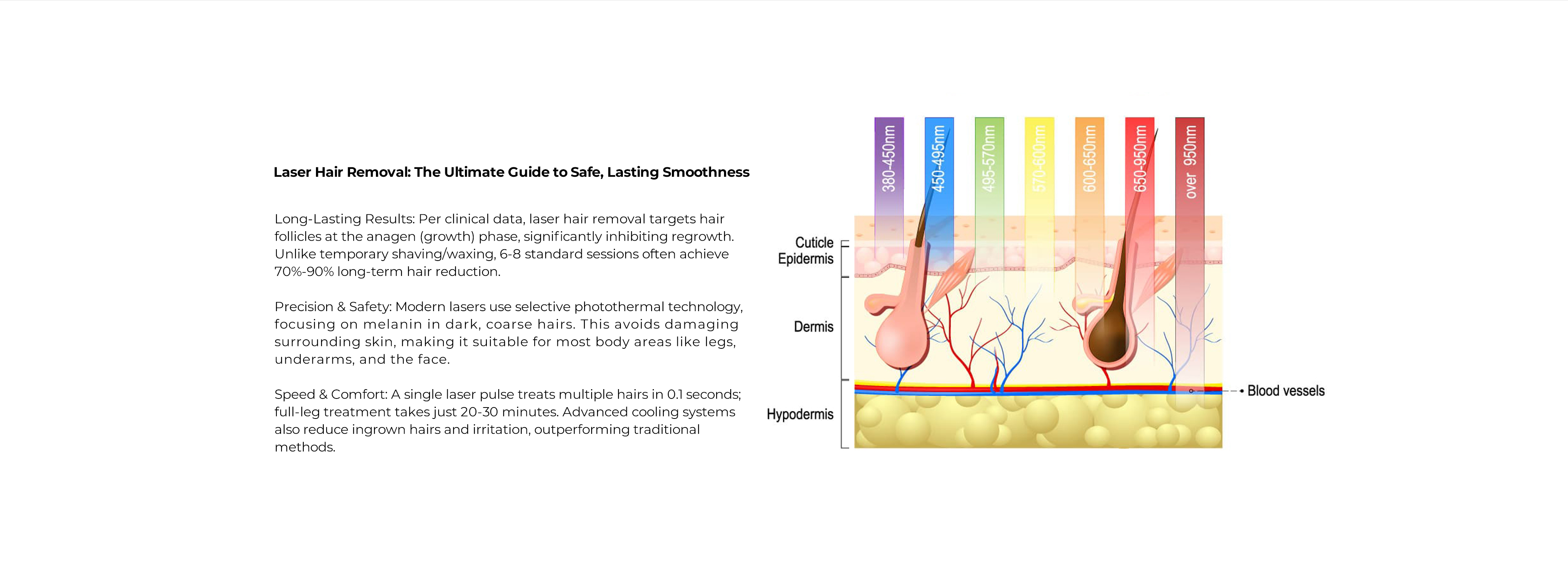
Targeting facial hair relies on directing concentrated light into follicular targets containing melanin chromophores. Absorbed optical energy converts rapidly into thermal energy, disabling growth mechanisms inside active follicles while preserving surrounding epidermal layers.
Selective photothermolysis operates by matching pulse durations with the thermal relaxation times of fine facial follicles. Confining heat within targeted structures prevents unwanted thermal conduction to nearby dermal tissues, reducing post-procedure inflammation or redness.
Anagen Growth Dynamics Across Facial Anatomical Zones
Follicular growth cycles vary across distinct facial areas, affecting total session requirements. Hairs must reside within the anagen (growth) phase to absorb sufficient thermal energy for structural disruption.
Because facial follicles transition between growth and resting phases at different rates, multi-session treatment plans remain necessary. Multiple treatment sessions are typically required for facial hair reduction, with the exact number varying according to hair characteristics, treatment area, and individual response.
Navigating Upper Lip and Perioral Contours
Perioral skin features increased nerve density and thin epidermal tissue, requiring careful fluence adjustments during optical exposure. Coarse upper lip hairs absorb light energy rapidly, making gentle thermal delivery vital for patient comfort.
Deploying a calibrated laser hair removal treatment platform allows clinicians to use smaller spot geometries and controlled pulse durations. Precise beam placement prevents unnecessary overlap on sensitive lip borders, minimizing localized discomfort.
Treating Recalcitrant Chin and Jawline Hair Growth
Chin and jawline areas frequently feature deeply rooted, coarse follicles driven by hormonal factors. Deeper target locations in laser hair removal treatment demand sufficient optical penetration to reach the hair matrix effectively.
Utilizing appropriate energy settings allows operators to adapt energy delivery to deeper and coarser hair follicles along the jawline. Systematic pass coverage helps practitioners manage stubborn hair growth patterns without applying excessive surface fluence.
The curved anatomy of the jawline also requires careful handpiece positioning and consistent contact to prevent energy loss through off-angle delivery—a common pitfall that can reduce efficacy while increasing operator fatigue. Techniques such as anchor-point stabilization and cheek-tensioning maneuvers improve beam-to-tissue alignment, allowing clinicians to direct energy precisely into the follicle without compromising adjacent skin or overlooking transitional zones near the submental region.
Precision Management Across Cheek and Mid-Face Regions
Cheek areas often present a mix of fine vellus and dark terminal hairs requiring adapted energy settings during laser hair removal treatment. Treating broad facial surfaces demands steady handpiece movement to maintain uniform thermal delivery without creating localized hot spots.
Modern systems like the SuperTouch S500 feature interchangeable spot sizes, such as small circular tips, that allow operators to navigate curved cheekbones easily. Modular handpieces help clinicians transition smoothly between broad mid-face zones and tight anatomical contours.
Surface Cooling Systems and Epidermal Safety Protocols
Preventing superficial heat accumulation remains crucial when treating facial phototypes prone to post-inflammatory hyperpigmentation. Advanced contact chillers lower surface skin temperatures continuously throughout laser radiation passes.
Active surface chilling minimizes treatment discomfort, outperforming traditional hair removal methods like waxing or shaving in gentleness. Safeguarding the stratum corneum allows operators to deliver effective therapeutic energy densities comfortably.
This cooling advantage is particularly meaningful for patients who previously abandoned hair removal due to pain or skin reactions—when combined with appropriate fluence selection, chilled handpieces enable a positive treatment experience that encourages adherence to the full session series, ultimately yielding the cumulative clearance rates that drive patient satisfaction and practice revenue.
Procedural Velocity and Session Efficiency
Modern optical platforms feature high pulse repetition rates that process multiple hair structures within 0.1 seconds. Fast pulse emission significantly shortens facial treatment times, allowing operators to complete cheek or chin passes rapidly.
Integrating versatile platforms such as the SuperTouch S500 optimizes clinical turnaround times during busy scheduling hours. High procedural speed improves patient throughput while supporting consistent treatment delivery across facial zones.
Post-Treatment Care and Long-Term Clinical Outcomes
Following light exposure, mild perifollicular erythema or swelling may occur temporarily and generally subsides within a few hours to a couple of days. Applying soothing topical formulations and emphasizing daily sun protection protects healing facial skin layers.
Encouraging clients to complete recommended treatment series ensures long-term hair inhibition and reduces ingrown hairs. Consistent clinical protocols protect skin integrity while delivering steady progress toward smooth facial skin over successive visits.
Conclusion
Addressing hypertrichosis on upper lips, chins, and cheeks requires combining selective photothermal action, precise spot modularity, and active surface cooling. Understanding follicular growth dynamics helps clinicians structure treatment plans that yield significant long-term hair reduction. Systems developed by ENZOEYS show how combining advanced cooling with flexible handpiece configurations assists modern practices in delivering safe, comfortable facial hair removal laser treatment protocols across delicate facial contours, reinforcing overall laser hair removal treatment standards.