
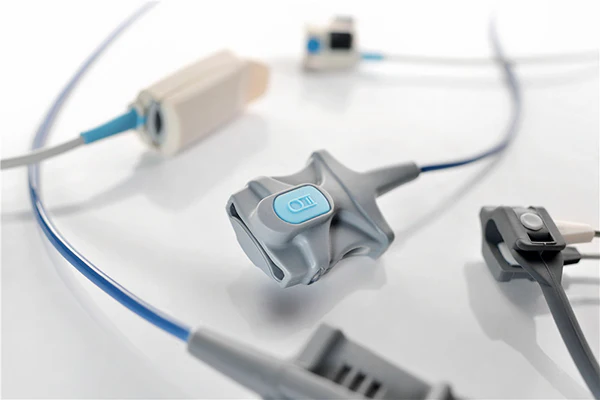
Pulse oximetry is a crucial tool for monitoring blood oxygen saturation levels in pediatric and infant patients. Ensuring accurate and reliable readings is essential for effective medical care. This makes choosing the right SpO2 sensor a critical decision for healthcare providers. Unimed offers a range of compatible SpO2 sensors that meet rigorous regulatory requirements, ensuring that pediatric and infant pulse oximeter sensors perform effectively in clinical settings.
Understanding Regulatory Standards
Pediatric and infant SpO2 sensors, including those from Unimed, must adhere to strict regulatory standards. In many countries, pulse oximeter sensors must be approved by regulatory bodies such as the FDA in the U.S. and CE in Europe. These certifications guarantee that the sensors are safe, effective, and capable of providing accurate readings. The sensors are tested for performance and accuracy in diverse conditions to ensure they meet the specific needs of pediatric and infant patients.
Specific Challenges in Pediatric and Infant Monitoring
For pediatric and infant patients, the skin is thinner, and the blood flow is more delicate, requiring sensors that can provide accurate readings even in these sensitive conditions. This is why compatibility with different types of oximeters is critical. Unimed’s blood oxygen saturation sensors are designed to address these unique challenges by ensuring a secure fit and reliable signal transmission during use.
Additionally, pediatric sensors must be designed for comfort, minimizing the risk of causing discomfort or skin irritation during monitoring, while maintaining the precision required for clinical decision-making.
Compliance with Safety and Performance Standards
Meeting regulatory requirements also means adhering to safety and performance standards such as ISO 13485, which is essential for manufacturing medical devices. By complying with these standards, Unimed ensures that its pulse oximeter sensors for pediatric and infant use not only provide accurate measurements but are also safe for long-term use in healthcare settings.
Conclusion
Choosing a compatible SpO2 sensor that meets regulatory requirements is vital for ensuring accurate monitoring of pediatric and infant patients. Unimed’s range of pulse oximeter sensors meets these regulatory standards, providing healthcare providers with reliable and safe monitoring tools. With a focus on precision and patient comfort, Unimed continues to support the healthcare industry by offering advanced and compliant solutions for pediatric and infant care.