
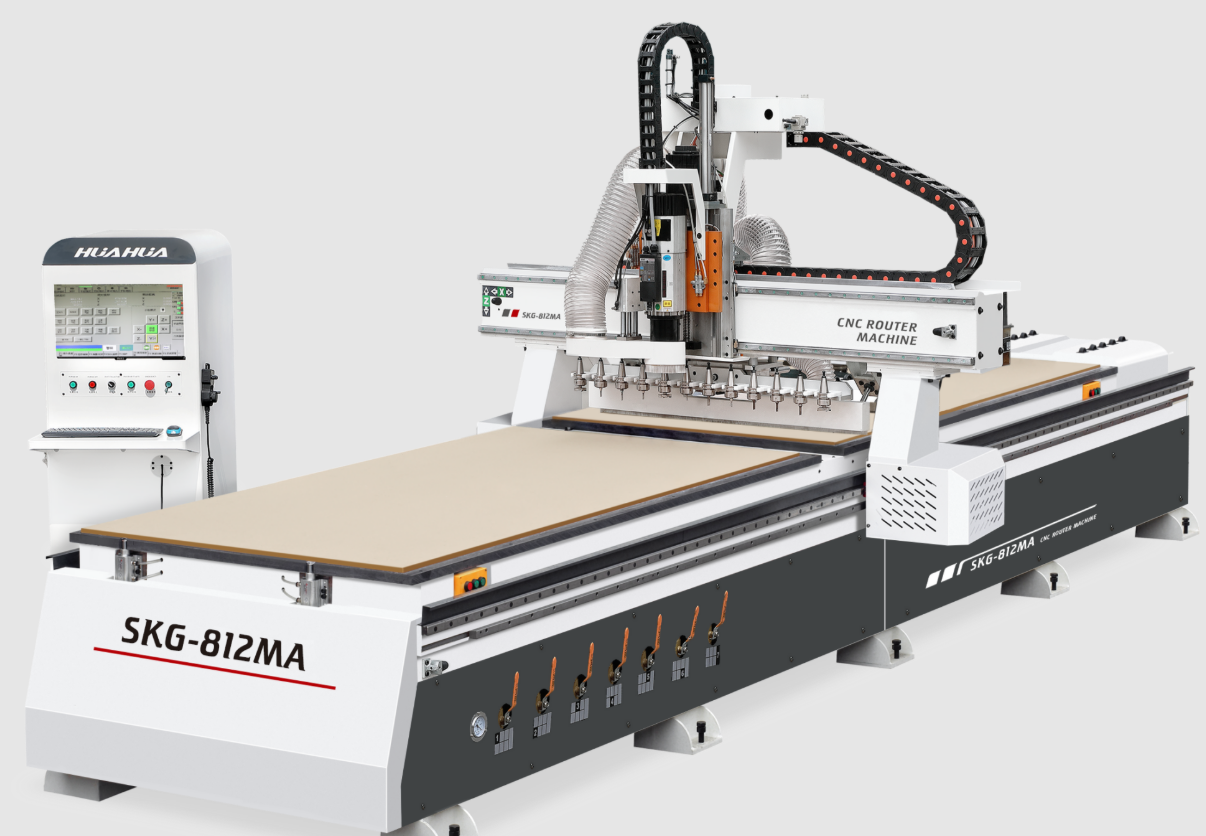
Choosing the appropriate bit for wood CNC work is a crucial step that significantly impacts the quality, efficiency, and precision of any woodworking project. The right bit not only determines the finish and detail of the final product but also affects the performance and longevity of the CNC woodworking machine. This article discusses essential considerations for selecting the best bit for wood CNC applications.
Understanding Bit Types and Their Uses
The selection of wood working CNC bits starts with understanding the common types and their specific functions. Straight bits are versatile and suitable for cutting, slotting, and grooving. Ball nose bits are ideal for 3D carving and shaping curved surfaces, providing smooth finishes. V-bits excel in engraving and detailed carving, thanks to their angled cutting edges that produce sharp, clean lines. Flush trim bits are used to trim edges precisely in template-guided work.
Each bit type corresponds to different woodworking needs, so matching the bit to the project’s design and detail requirements is essential for optimal results.
Material Compatibility and Bit Durability
Choosing a bit also requires considering the type of wood being machined. Hardwoods, softwoods, plywood, and composite boards interact differently with cutting tools. For denser hardwoods, bits with carbide tips are preferred because they offer enhanced durability and maintain sharpness longer. For softer materials, less aggressive bits may suffice but still require adequate sharpness to avoid tear-out.
The design of the bit’s flutes and helix angle influences chip removal and heat dissipation, which are critical for preventing material burning and ensuring smooth, clean cuts. Properly matching bit geometry to the wood type improves cutting efficiency and protects the CNC woodworking machine from excessive wear.
Operational Parameters and Bit Maintenance
Operational factors such as spindle speed, feed rate, and depth of cut must be adjusted in line with the chosen bit to maximize performance and minimize wear. The SKG-812MA’s powerful 9KW spindle, capable of 24,000 rpm, supports heavy-duty cutting and fast processing, but parameters should be fine-tuned to the bit and material for best outcomes.
Regular maintenance of bits, including inspection and timely replacement or sharpening, is necessary to maintain cut quality and prevent damage to the CNC woodworking machine. Clean bits also reduce the risk of overheating and material burning.
Enhancing Woodworking Efficiency with HUAHUA CNC
HUAHUA CNC’s SKG-812MA model exemplifies the integration of powerful hardware and intelligent control systems, making it well-suited for a variety of wood working CNC applications. Its automatic tool change spindle and Taiwan Baoyuan control system ensure efficient, precise machining with minimal downtime. By leveraging such advanced CNC woodworking machines, users can optimize bit selection and operational settings, improving both production quality and efficiency in custom woodworking projects.