
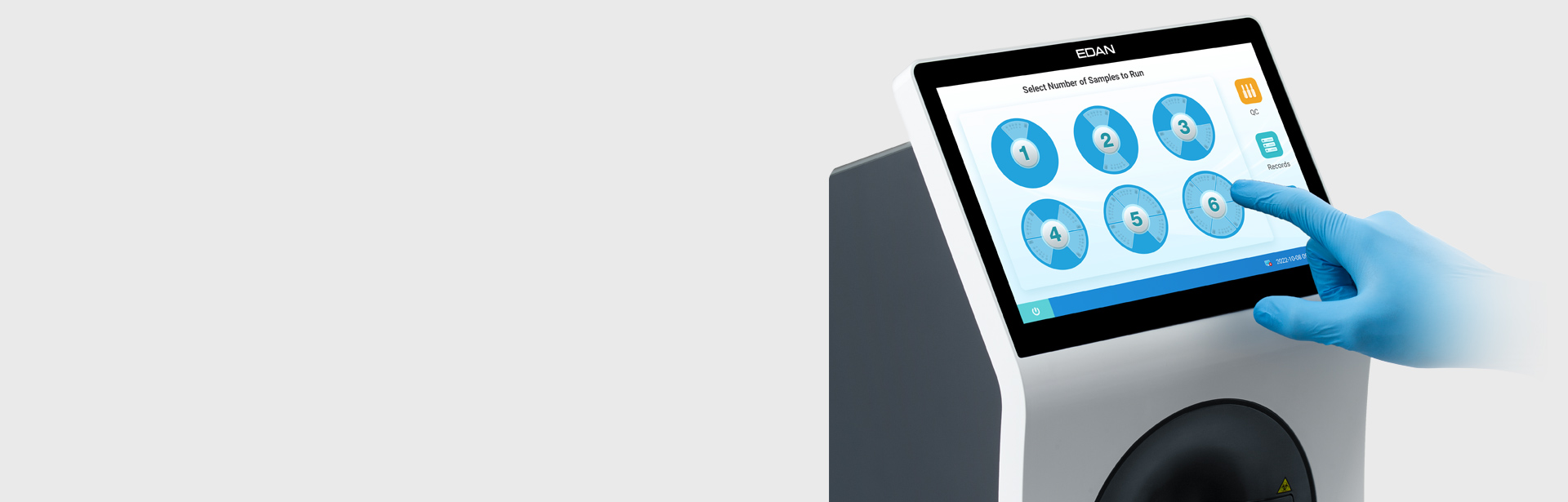
In modern healthcare, efficient molecular diagnostic testing and accurate operation of every diagnostic analyzer directly influence patient care outcomes. Hospital laboratories rely on these instruments to provide timely and dependable clinical data. Establishing appropriate maintenance intervals is essential for safeguarding performance and minimizing downtime. In this article, we explore practical considerations for scheduling maintenance and highlight how solutions like the EDAN CL30 contribute to laboratory efficiency.
Understanding the Role of Regular Maintenance
Routine maintenance for laboratory analyzers serves multiple purposes. First, it preserves the integrity of testing processes by reducing variability in results. A structured maintenance plan enables hospitals to anticipate service needs before issues arise, ensuring instruments deliver consistent performance. Poorly maintained devices can lead to inaccuracies, increasing the risk of misdiagnosis or delayed treatment decisions.
Trained technicians and laboratory staff should follow manufacturer recommendations closely. These guidelines often include calibration checks, cleaning procedures, and component inspections. With regular documentation of maintenance activities, laboratory managers can monitor trends and optimize service schedules.
Optimizing Analyzer Uptime in Clinical Labs
For hospitals with heavy testing volumes, balancing usage with maintenance requirements is critical. An effective strategy includes aligning upkeep with periods of lower demand and incorporating predictive approaches to identify early signs of wear or malfunction. Predictive maintenance frameworks aim to schedule service when a device’s condition suggests the need, rather than strictly on a fixed timeline.
This proactive method helps reduce unexpected interruptions and enhances the reliability of instruments involved in molecular diagnostic testing. Equally important is training staff to recognize minor irregularities, enabling early intervention and preventing larger-scale issues.
The Importance of Choosing the Right Analyzer
Selecting analyzers that are robust and designed for simplified maintenance is a worthwhile investment. The EDAN CL30 molecular diagnostic system, for example, integrates user-friendly interfaces and minimal upkeep demands while supporting rapid and precise testing workflows. With features that reduce handling complexity, laboratories can focus more on delivering critical results rather than managing frequent servicing.
Conclusion
Establishing thoughtful maintenance intervals for hospital analyzers is fundamental to delivering accurate, reliable clinical information. By combining regular servicing, predictive strategies, and instruments engineered for efficiency, such as the EDAN CL30, healthcare facilities can maintain peak performance while supporting high-quality patient care.