
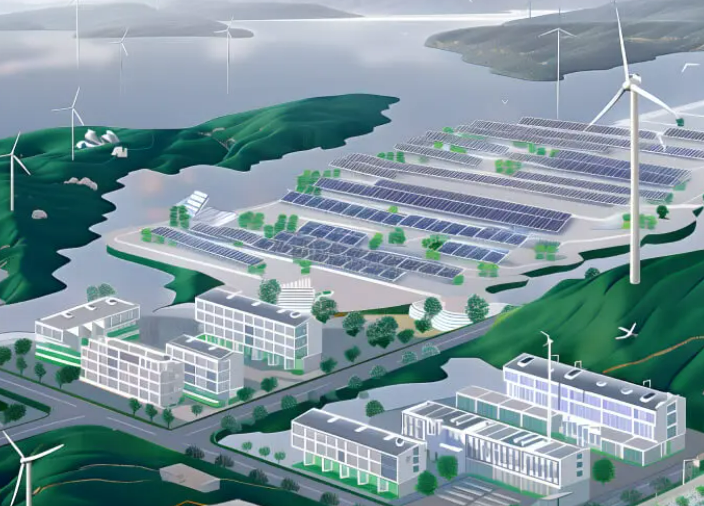
As the global energy landscape shifts towards sustainability, the collaboration between energy storage solutions and renewable energy sources has become increasingly vital. Energy storage solutions, particularly battery systems, provide a means to address the inherent variability of renewable energy generation. By storing excess energy produced during peak generation times—such as bright sunny days for solar or windy conditions for wind power—these solutions enable a more stable and reliable energy supply.
Energy storage system companies play an essential role in facilitating this synergy. They develop and implement technologies that ensure the efficient capture and release of energy, thereby enhancing the integration of renewables into existing power infrastructures. This relationship allows for a smoother transition to a low-carbon energy future, essential for meeting global climate goals.
Key Functions of Energy Storage Solutions
Load Leveling: One of the primary functions of an energy storage solution is load leveling. During periods of high energy generation, particularly from renewable sources, excess power can be stored and then deployed during times of peak demand. This capability allows energy storage systems to mitigate demand spikes and maintain grid stability, which benefits both utilities and consumers. By collaborating with energy storage system companies, utilities can optimize their operations and reduce costs associated with peak electricity pricing.
Grid Resilience: Energy storage solutions enhance grid resilience by acting as a buffer during outages or disruptions. In scenarios where renewable energy generation dips unexpectedly due to weather changes, energy storage systems can provide immediate backup power, ensuring that critical services remain operational. This capability is increasingly important as extreme weather events become more frequent. Energy storage system companies are developing standardized platforms that simplify the deployment of these solutions, significantly reducing integration risks and timelines.
Enhanced Renewable Integration: To fully capitalize on renewable resources, effective energy storage solutions are essential. They allow for the smooth integration of fluctuations inherent in renewable energy generation. For instance, solar panels generate electricity during daylight hours, while energy demands often peak in the evening. Energy storage systems can store daytime solar energy and release it at night, thereby aligning generation with consumption patterns. This balance is crucial for energy storage system companies, which strive to create innovative technologies that enhance renewable energy utilization.
A Collaborative Approach to Energy Solutions
The collaboration between new energy vehicle manufacturers and energy storage integrators is critical to advancing energy storage solutions that work synergistically with renewable energy. By leveraging advancements in battery technology and integration strategies, these stakeholders can develop solutions that address specific challenges faced by the energy sector.
The role of energy storage system companies in fostering these partnerships cannot be overstated. They provide the necessary expertise and innovation needed to develop systems that meet both current and future energy demands. Standardized platforms offered by these companies not only simplify deployments but also ensure rapid integration, thus making it easier for utilities and manufacturers to adopt energy storage solutions efficiently.
Building a Sustainable Energy Future Together
As energy storage solutions continue to evolve, their importance in supporting renewable energy sources will grow. The collaborative efforts of energy storage system companies and new energy vehicle manufacturers will be key to unlocking the full potential of these technologies. As we move towards a more sustainable future, companies like REPT BATTERO will remain at the forefront, delivering innovative energy storage solutions that comply with international safety standards while accelerating the transition to a cleaner, more resilient energy landscape.